Inventory and Growth Capital for Off-Licence Retailers
Stock premium inventory, refurbish your shop, and open new sites with funding designed for the beverage alcohol trade.
- ✓ No impact on your credit score to check your options (soft search)
- ✓ Money in your account in about 24 hours
- ✓ Compare lenders with one request



 2,400+ businesses helpedNo upfront fees • Free quote in minutes
Two banks told me to come back next year. These guys had the money in my account by Thursday.
Nobody ran a hard search, nobody played games. The offer they showed me is the offer I got.
Bought a second van right before our busy season. It paid for itself in two months.
How much would actually help?

- Current: Funding
- Business
- You
We build around your business.

No collateral required
We fund the business on its revenue — not your possessions.

Pay when you can
Repayment follows your actual sales — strong months pay more, slow months ease up.

Funded fast
Most owners see offers the same day and money within ~24 hours of signing.
Off-Licence & Liquor Store Business Funding
Off-licences and wine shops operate in one of the few retail sectors with built-in regulatory barriers to entry, premises licensing under the Licensing Act 2003 keeps competition in check, but it also means each shop must maximise revenue from its existing site. Growth comes from carrying deeper inventory, offering premium selections, creating a better shopping experience, and potentially acquiring additional premises and licences. All of these require capital that the moderate margins of beverage alcohol retail make difficult to accumulate organically.
Granton Hale works with independent off-licence owners, wine shop operators, and multi-site beverage retailers. We understand that a well-run off-licence taking £75K+ in monthly sales has durable, recession-resistant revenue, alcohol sales hold up through downturns, and repeat customers that create predictable cash flow. We assess your business on sales volume, product mix and customer frequency rather than generic retail underwriting; for UK limited companies we can often pre-assess straight from your Companies House filings, and checking your options never dents your credit score (soft search).
Our off-licence clients use funding to stock premium spirits and wine ahead of Christmas and the summer trade, refit store layouts to improve customer flow and upselling, install modern EPOS and stock-management systems, and acquire additional premises or competing shops when opportunities arise. Most facilities need no personal guarantee.
The funding gaps we close.
Seasonal Inventory Demands
The festive season (November-December) and summer months can account for 35-45% of annual revenue. Stocking adequate inventory, especially premium spirits, champagne and seasonal lines, requires tens of thousands of pounds in upfront purchasing.
Supplier Payment Terms
Most wholesalers and AWRS-registered suppliers require payment upfront or on short terms, leaving almost no float between buying inventory and paying for it. High-value spirits and fine wine tie up significant capital before generating any sales.
Store Modernisation Pressure
Consumers increasingly expect curated selections, tasting notes, climate-controlled wine storage and a shopping experience that goes beyond basic shelves. Shops that don't invest in presentation lose share to competitors and the supermarkets.
Regulatory and Licence Costs
Premises licences, personal licences, alcohol compliance, public liability insurance and security systems create ongoing costs unique to the beverage alcohol trade that other retail categories don't face.
Funding built for your work.
Fund seasonal inventory purchases, cover supplier payments, and manage cash-flow gaps during quieter months.
Revolving credit for managing variable inventory costs, draw funds for large wholesaler orders and repay as stock sells through.
Structured financing for store refits, climate-controlled storage installations, and additional site fit-outs.
Finance walk-in chillers, wine storage systems, EPOS tills, CCTV, and shop fixtures.
Your funding in three steps

Request online
- 60-second form, plain questions
- No score impact to check your options (soft search)
- Bank-level encryption

Compare real offers
- Every option, side by side
- Same-day decisions
- Free to look — no obligation
Get funded
- Funded within ~24 hours
- No hidden fees, ever
- Built around your needs
What owners do with it.
Purchase premium spirits, champagne, gift sets and seasonal lines ahead of the November-December rush, when sales can double or triple normal volume.
Upgrade shelving, lighting, signage and floor layout to improve the customer experience, increase average basket size, and compete with curated wine merchants.
Build a proper wine room or cellar section to attract enthusiasts willing to spend more on premium, properly stored selections.
Fund the purchase of a competing shop or additional premises when one becomes available in your area, opportunities that may not come again.
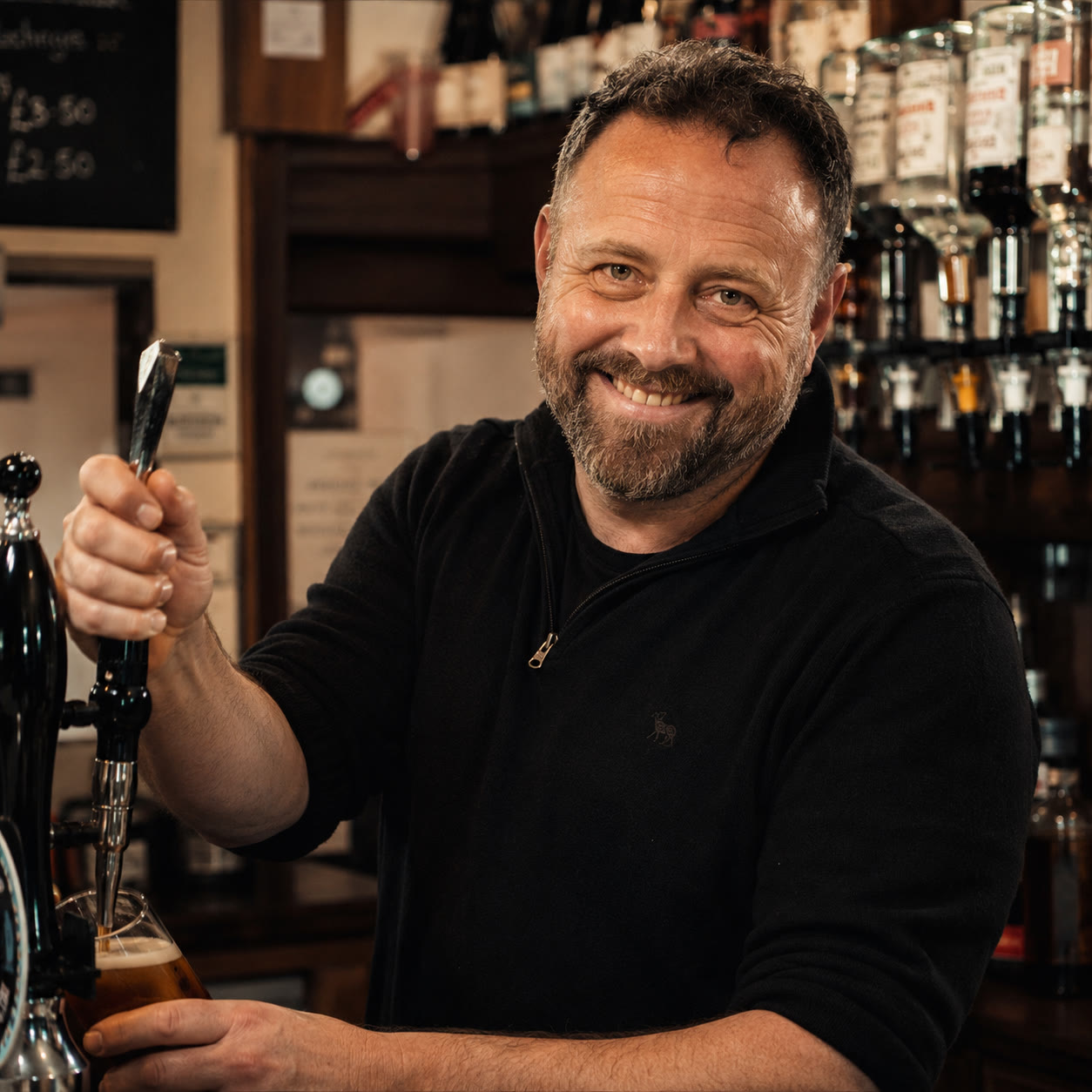
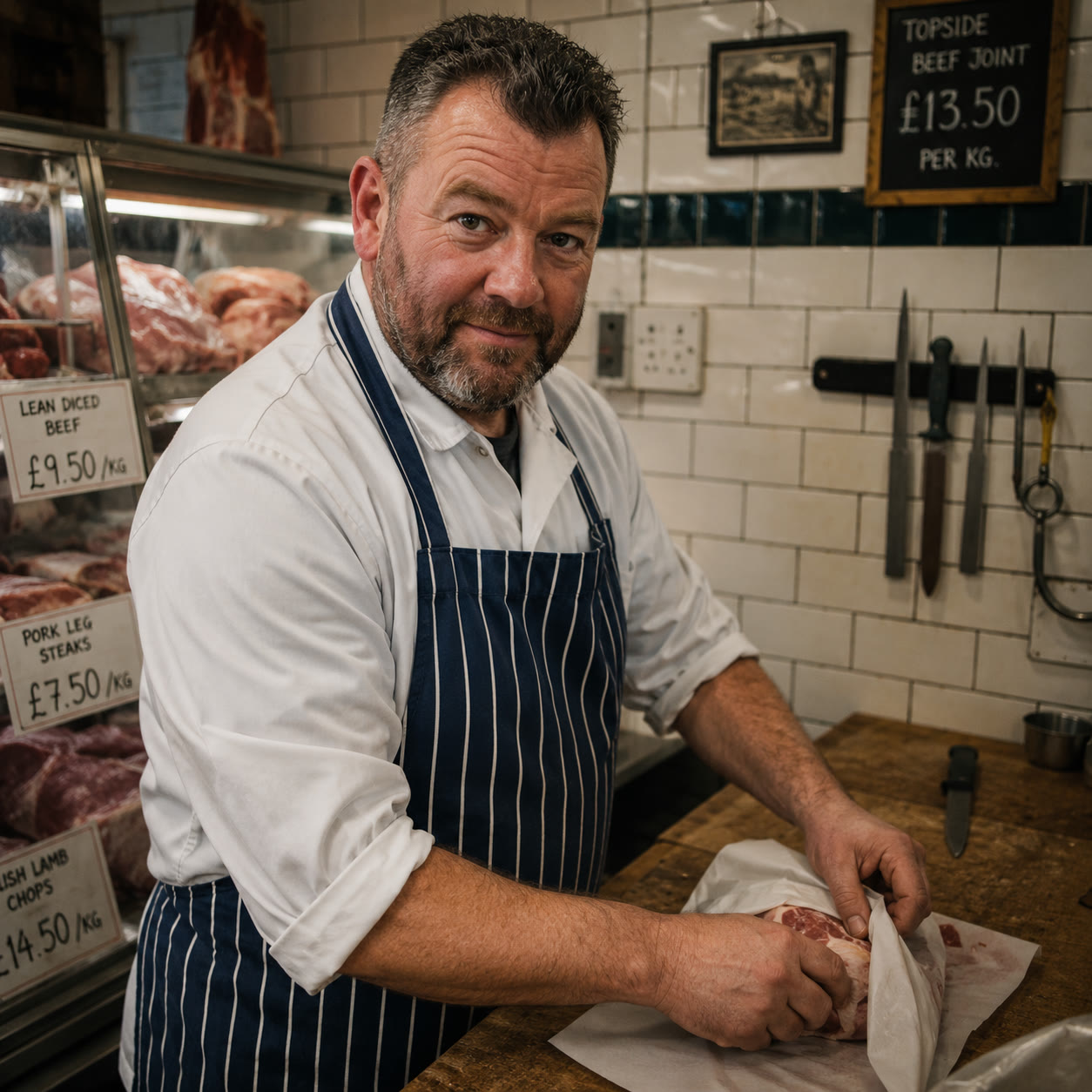
Owners just like you — funded.
Real businesses, real outcomes. Names and details changed for privacy — the numbers are typical of funded files.








Fair questions, straight answers.
01Do you understand the regulatory environment for off-licences?+
Yes. We're familiar with premises and personal licensing under the Licensing Act 2003, AWRS-registered wholesaler relationships, alcohol compliance, and the regulatory costs of running a beverage alcohol business. We factor these industry-specific dynamics into our underwriting.
02Can I get funding to buy another off-licence or its lease?+
Yes. Acquisitions are a strong use of capital because a licensed, trading off-licence with an established customer base is inherently valuable. We can fund the acquisition, the stock, and any refit needed to transition the business, typically with no personal guarantee.
03Is inventory financing available for premium wine and spirits?+
Absolutely. Premium inventory, high-end spirits, allocated whisky, fine wine, is often the highest-margin opportunity in your shop but ties up significant upfront capital. We provide working capital and lines of credit suited to building a premium selection.
04How do seasonal sales patterns affect my funding options?+
We structure repayment around the seasonality of alcohol sales. Revenue-based options mean you pay more during the high-volume festive and summer trade and less during quieter periods. We recommend starting 60-90 days before your peak season so capital is deployed in time.
Related industries
See your numbers first. Then decide.
- ✓ Pre-qualify in 60 seconds
- ✓ No obligation, no pressure calls
- ✓ Real people behind every file — 100% online